
When I was eleven, I filled out the paperwork to open an online brokerage account, and my mother signed it. I spent hours watching stock charts. Green and red candlesticks moved across the screen, and I began drawing on top of them. I didn’t really know what I was looking for. I liked seeing how lines from different points in time could connect and form something new.
I kept drawing.
Over time, the drawings became more complicated. I started seeing more connections and rhythms in the charts. I studied finance and then lived through the financial crisis of 2007–2009. Things that had once seemed abstract became part of my own life. Fear, money, work, uncertainty, and the future were no longer just things I was watching on a screen.
Clay gave me a way in.
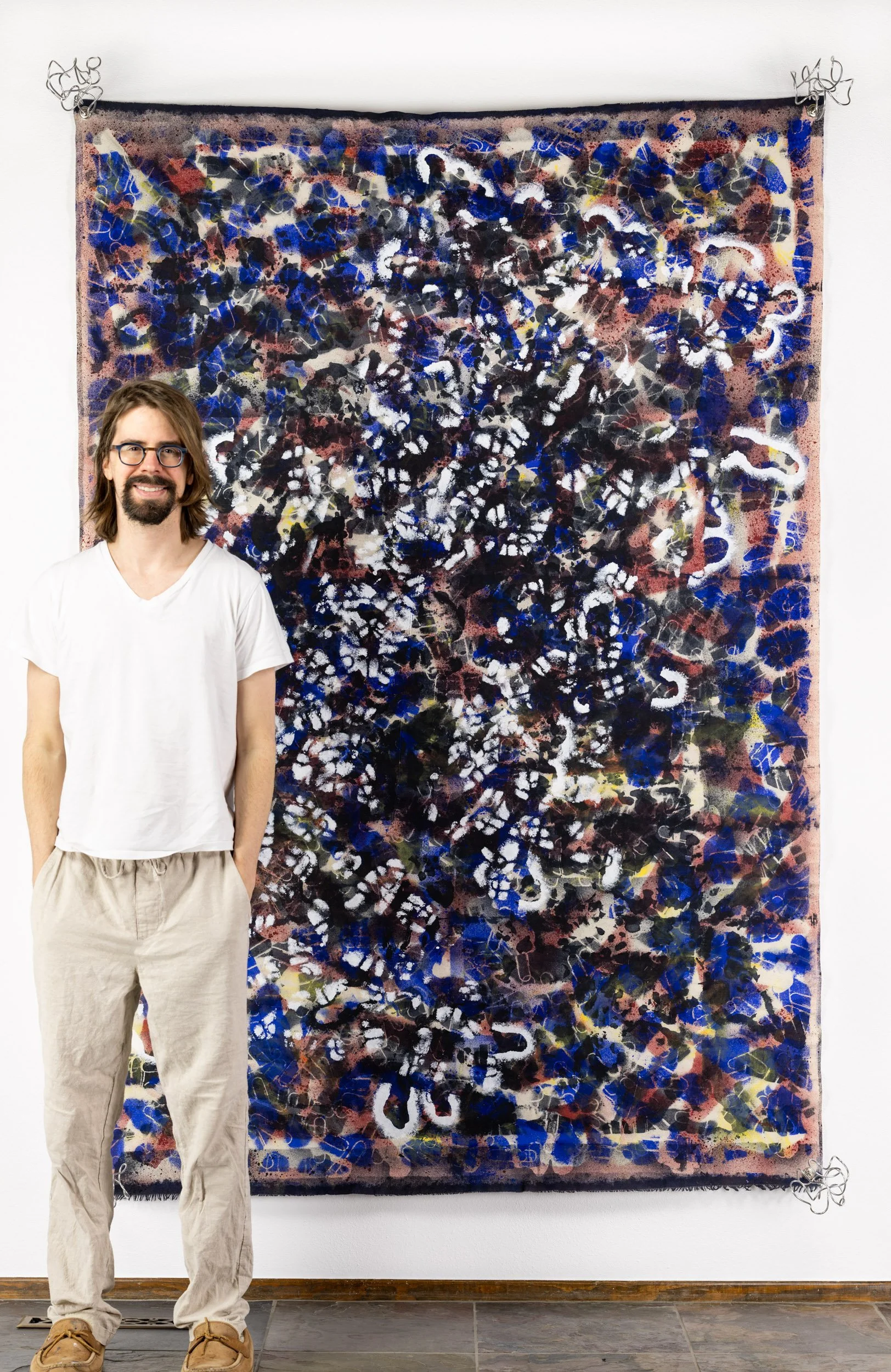
On the wheel, I learned that I could not completely control what was happening. The clay pushed back. If I pushed too hard, it collapsed. I began making closed vessels and then pressing, thinning, and disturbing them as they spun.
I liked working right at the edge of collapse.
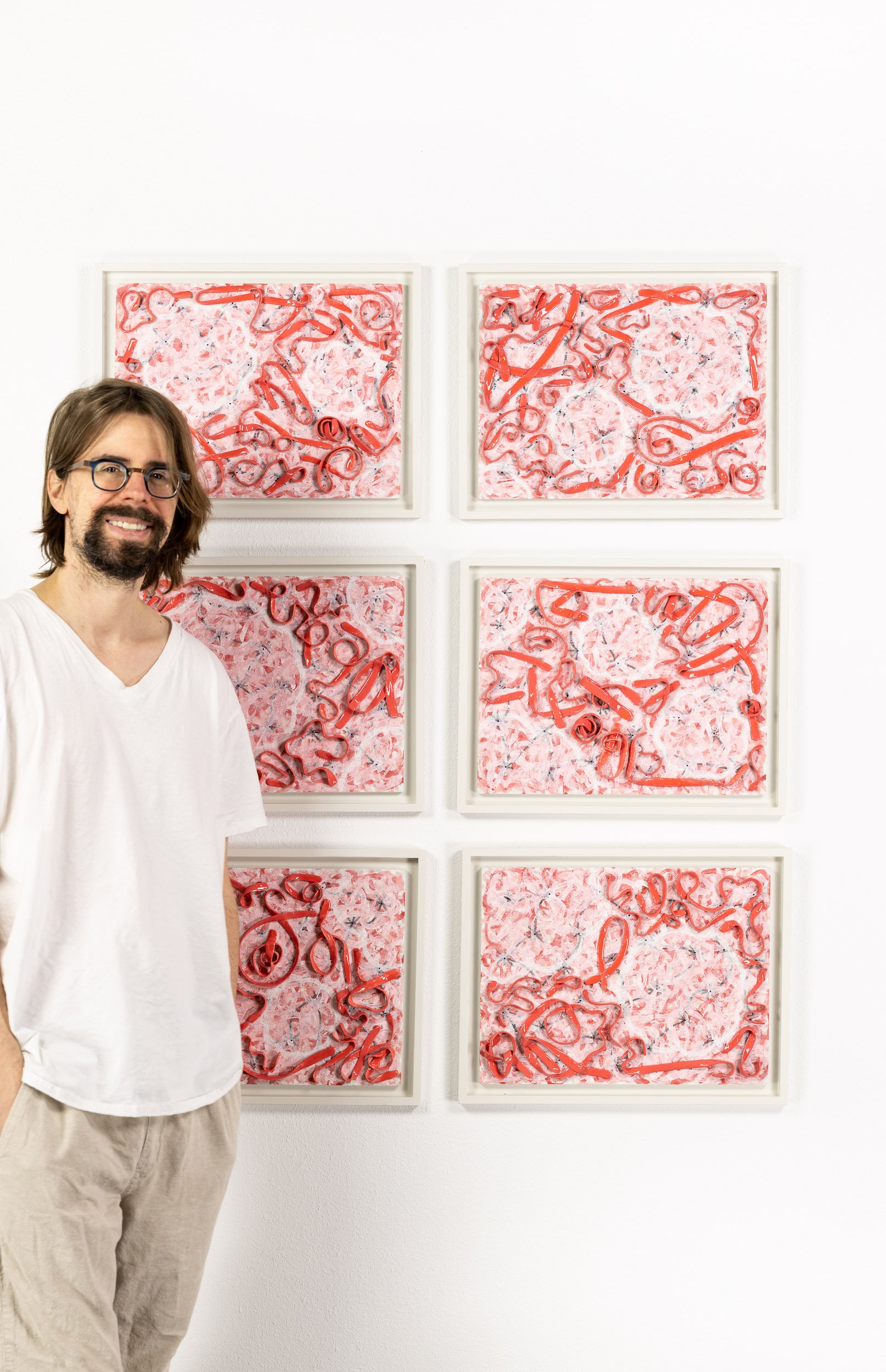
I stopped thinking so much about making a perfect object and started paying attention to what was happening in my hands.
After a while, I stopped working mostly with vessels. I began making smaller pieces and spreading them around a room. Clay residue, fragments, organic material, drawings, and other things began to sit next to one another.
I became interested in what happened between the pieces. Something could change because of where it was placed. A small fragment could suddenly seem important because of what was beside it.
I didn’t have a name for this. I just kept following it.
Then came graduate school, and then Covid.
When I finished my graduate degree in art, the pandemic began. I moved back into my childhood home. I was trying to begin my adult life while living again in the place where I had grown up.
At the same time, my father’s cancer progressed from stage 1 to stage 3B.
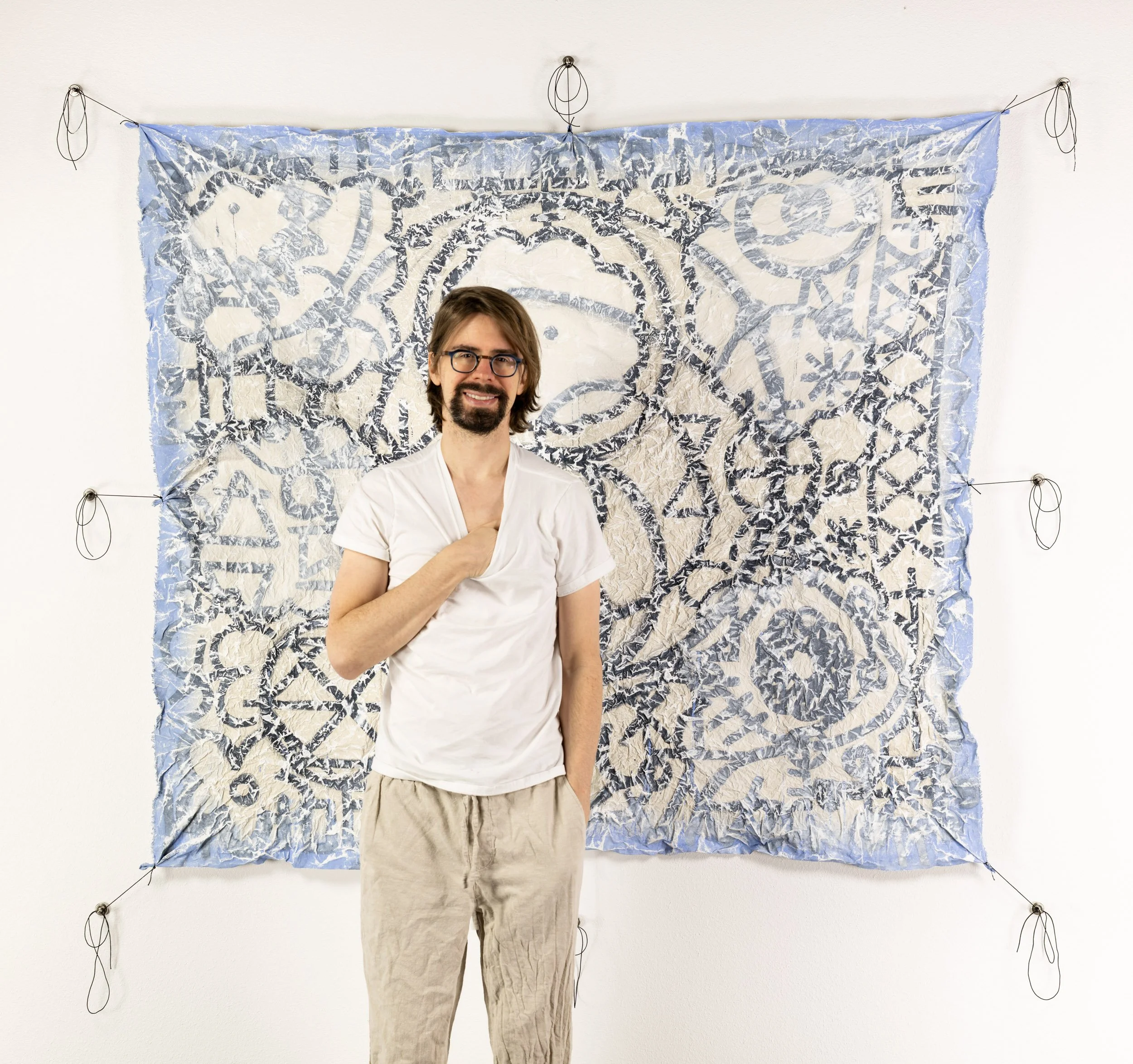
During those years, things I had been thinking about for a long time became much closer to home. Stability, uncertainty, loss, work, money, family, and the future were all happening at once.
I kept making things.
Looking back, I can see how the charts I drew as a child, the pressure of clay under my hands, the fragments I arranged around a room, and the things that happened in my life began to connect.
I didn’t start with a complete idea.
I followed things that interested me, and they changed as I followed them.
This is the trace of how I got here.